
For years, Uganda has treated wetlands like that quiet relative at a family function: always present, always helpful, but never respected until something goes wrong.
And now that the floods are louder, the heat is harsher, Kampala’s roads are busier and “development” is arriving with concrete, iron sheets and title deeds in places where papyrus once stood, NEMA has finally decided to walk into the room and say: enough.
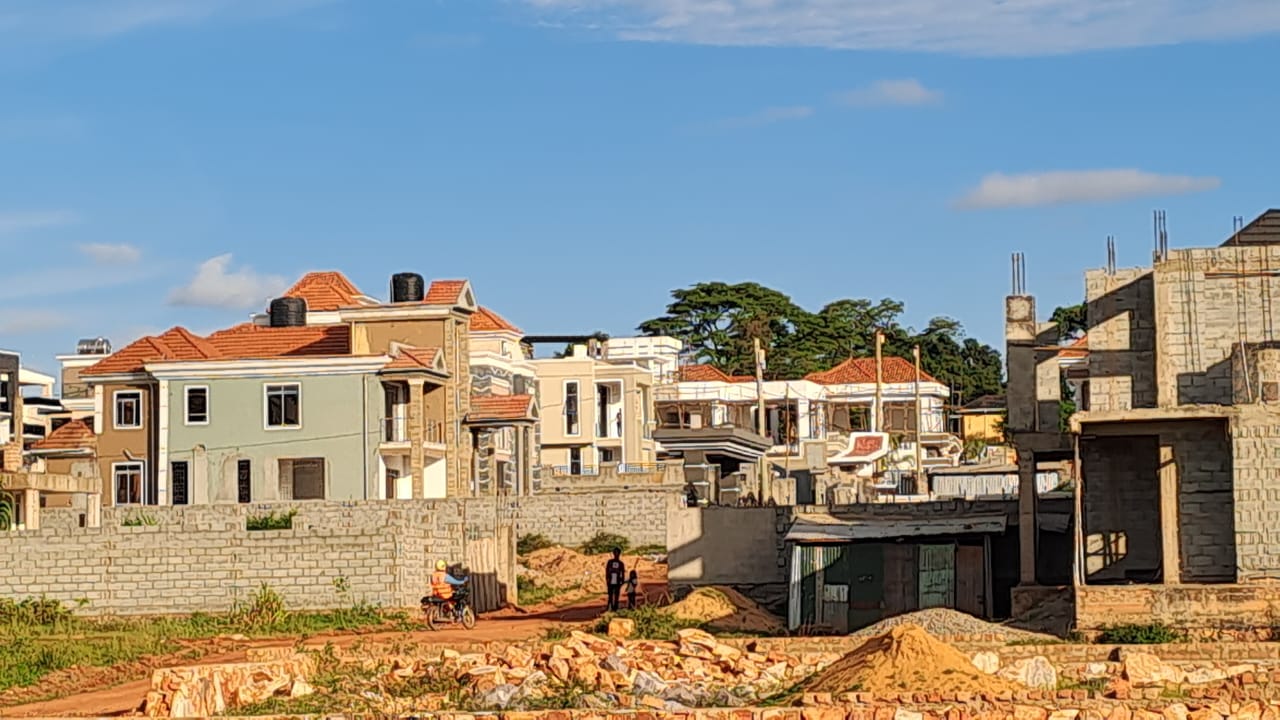
The recent wetland enforcement operations in areas such as Kajjansi, Wakiso and Busabala have understandably created tension. Homes, businesses and investments are involved. Some residents say they were surprised. Others feel enforcement should have been clearer, fairer and better communicated. These concerns should not be dismissed. A country that wants to protect nature must also protect fairness, dignity and due process.
But let us also be honest: Uganda’s wetland problem did not begin yesterday. It has been cooking slowly, like beans on a charcoal stove, while everyone pretended not to smell the smoke.
For too long, wetlands have been filled, fenced, sold, developed, renamed, “regularised” and sometimes defended with the confidence of someone who knows someone who knows someone. In the end, nature does not care who signed the paperwork. Water will still look for where to pass. Floods do not first ask whether the owner is rich, poor, connected, humble or “just about to finish roofing”.
That is why NEMA’s renewed enforcement, if done properly, may be one of the most important signs that Uganda is beginning to take itself seriously.
Swamps Are Not Wasteland. They Are Uganda’s Natural Insurance Policy
Somewhere along the way, many people began to look at swamps as empty land waiting for a “serious investor”. That thinking has cost us dearly.Wetlands are not useless. They are not idle. They are not failed plots. They are working 24 hours a day without asking for lunch allowance.
They absorb excess rainwater. They reduce flooding. They filter dirty water. They support fish, birds, livestock, farming, biodiversity and local livelihoods. They help control climate shocks. They cool the environment. They protect communities that may never even know the swamp upstream is the reason their home did not flood last night.
In a country proudly called the Pearl of Africa, wetlands are part of the pearl. You cannot polish the pearl by removing the very systems that keep it alive.
Uganda’s beauty has never been only in its hills, lakes, wildlife and sunsets. It is also in the papyrus, the marshes, the seasonal water channels, the quiet green spaces between dry land and open water. These are not obstacles to development. They are part of the infrastructure of survival.
The problem is that wetlands do not wear helmets and reflective jackets, so we often fail to recognise them as infrastructure. But make no mistake: a swamp protecting a city from floods is doing public works. It may not have a contractor’s signpost, but it is working.
Development Without Environmental Discipline Is Just Future Disaster With Nice Tiles
Uganda is growing. Kampala and its surrounding suburbs are expanding rapidly. Roads are being worked on, traffic patterns are changing, land values are rising and everyone is trying to find space to live, trade, build and invest.
That growth is good. But growth without discipline becomes chaos with a ribbon-cutting ceremony.
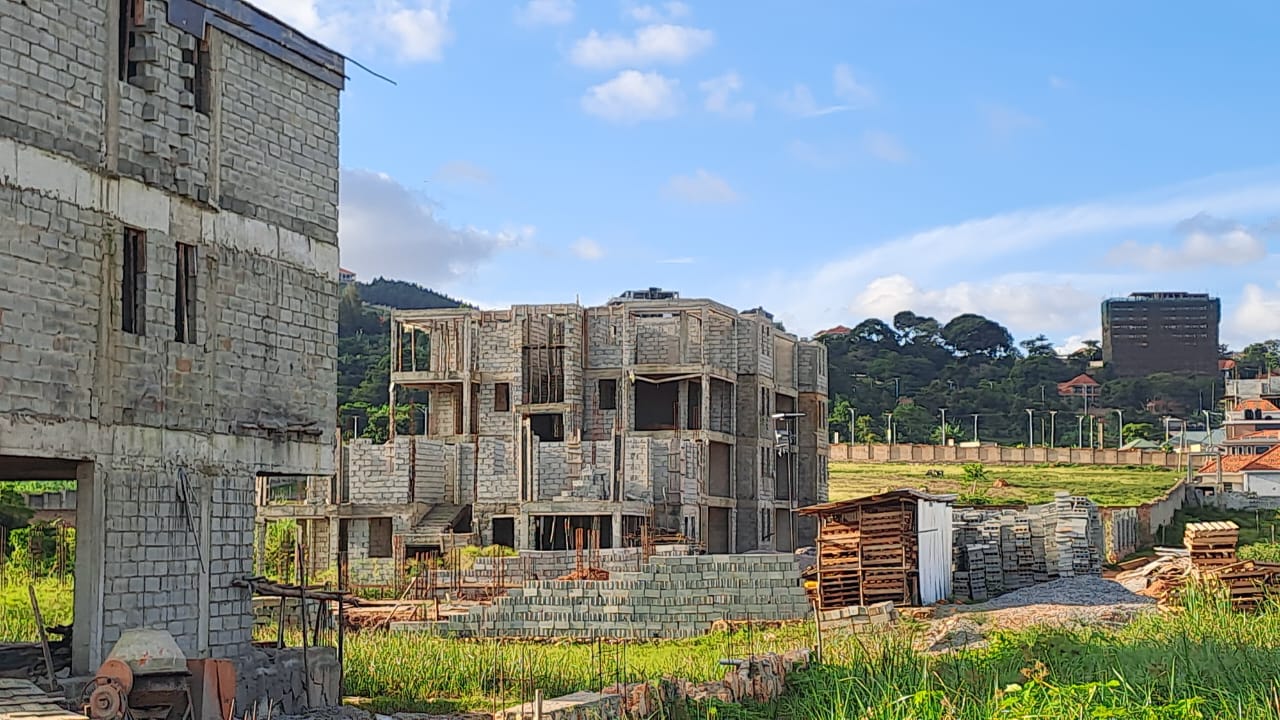
A house built in a wetland may look beautiful today. A factory built in a drainage corridor may create jobs today. A road built without proper environmental planning may look impressive today. But when the rains come, when water backs up, when homes flood, when drainage channels fail, when disease spreads and when taxpayers are asked to pay for repairs, the real cost arrives.
That is why NEMA’s work matters.
The issue is not whether Uganda should develop. Of course Uganda should develop. The issue is whether we want development that lasts, or development that collapses every rainy season and then blames “too much water”.
Rain is not the enemy. Poor planning is.
This Crackdown Has Been Long Overdue
Let us say it plainly: wetland enforcement should have happened earlier, more consistently and without fear or favour.
For years, ordinary Ugandans have watched environmental laws appear strong on paper but weak on the ground. Some small structures would be removed while larger developments remained untouched. Some people would be warned while others seemed invisible. This created public suspicion and weakened trust.
That is why the current moment is important.
If NEMA is now willing to act not only against the powerless but also against expensive developments, luxury homes and high-value properties, then Uganda may be entering a healthier phase of enforcement. A law that only disturbs the poor is not environmental justice. A law that reaches everyone is governance.
The Kajjansi reports, especially those involving high-end homes allegedly sitting in wetland areas, are significant because they test whether enforcement can climb the social ladder. Uganda does not need environmental action that fears big gates, tinted windows and intercoms.
If a wetland is a wetland, it should remain a wetland whether the structure on it is a shack, a mansion, a warehouse, a church, a bar, a school or a “soon opening” apartment block with a very confident billboard.
But NEMA Must Do It Right
Supporting NEMA’s wetland restoration does not mean supporting careless enforcement.
If Uganda is going to restore wetlands properly, the process must be transparent, humane and consistent. Communities need clear demarcation. Notices must be properly issued. Genuine land buyers who were misled by fraudulent sellers, negligent authorities or confusing approvals deserve a fair hearing. Vulnerable families should not be treated as disposable. Local governments that looked away while wetlands were being sold must also answer questions.
The bulldozer should not become the only language of environmental management.
A serious country must combine enforcement with planning, resettlement support where necessary, public education, prosecution of illegal land dealers and accountability for officials who allowed wetland destruction in the first place.
Because let us be honest again: many ordinary people did not wake up one morning and decide to invade a swamp with architectural drawings. Somewhere, someone sold them land. Somewhere, someone stamped something. Somewhere, someone kept quiet.
If NEMA is going to clean the wetland, Uganda must also clean the system that allowed the wetland to be eaten.
A Sign of a More Proactive Uganda?
There is a bigger picture here.
Across the country, Ugandans are seeing stronger activity from government agencies: road works, enforcement campaigns, public accountability conversations, urban clean-up efforts and renewed pressure on institutions to perform. Some of it is messy. Some of it is political. Some of it arrives late. Some of it makes people uncomfortable.
But a country does not improve by sleeping through its problems.
If done right, NEMA’s wetland crackdown could become part of a larger national shift: from reaction to prevention, from speeches to action, from “we shall handle it” to “we are handling it”.
Uganda needs that energy.
We need institutions that act before disaster. We need leaders who understand that climate change is not a foreign conference topic; it is already here, entering people’s homes through floodwater, failed drainage, heat stress, crop losses and water insecurity.
We need urban planning that respects science. We need roads that do not fight wetlands but work with drainage realities. We need housing that does not turn natural water channels into real estate experiments. We need investors who understand that environmental compliance is not an inconvenience; it is part of doing serious business.
Most importantly, we need citizens who stop treating environmental protection as something for NGOs, school debates and World Wetlands Day speeches.
The Pearl of Africa Must Protect Its Shine
Uganda cannot call itself the Pearl of Africa while casually burying the ecosystems that make it beautiful, fertile and livable.
Wetlands are part of our national wealth. They are not empty land. They are not government decoration. They are not waiting rooms for malls. They are living systems that protect us, feed us, cool us and quietly hold the country together.
So yes, NEMA’s actions may be painful. They may be controversial. They may need better communication and more fairness. But the direction is right.
The wetland crackdown is not simply about demolitions. It is about deciding what kind of country Uganda wants to become.
A country that waits for floods, then cries?
Or a country that protects its natural defences before the water rises?
If NEMA stays firm, fair and transparent, this could be more than an enforcement campaign. It could be a turning point.
And perhaps, years from now, when Kampala floods less, when communities breathe easier, when roads last longer, when wetlands recover and when the Pearl of Africa shines a little brighter, we may look back and say: the swamp was never the problem.
The problem was that we forgot its value. Now, finally, Uganda seems to be remembering.