The red earth of Buliisa District tells a story before any journalist can. Vast clearings carved through the Albertine Graben, pipeline trenches sealed with fresh soil, and the orange hard hats of workers from Uganda, Tanzania, France, and China — this is where East Africa's most consequential infrastructure project is being assembled, kilometre by kilometre, in the quiet heat of the Ugandan savannah.
Today.ug spent three weeks embedded along the East African Crude Oil Pipeline (EACOP) corridor — from the Kingfisher oil fields in western Uganda to the Tanzanian port town of Tanga — speaking with government ministers, TotalEnergies executives, community leaders, environmental advocates, and ordinary Ugandans whose land, livelihoods, and futures have been rerouted by a 1,443-kilometre pipe.
The Pipeline That Changed Everything
When TotalEnergies and CNOOC made their final investment decision in February 2022, Uganda's government had been waiting more than a decade for this moment. The Albertine Graben had been known to hold oil since the late 1990s; the question was never geological but political and economic — who would own it, how would it flow, and who would benefit.
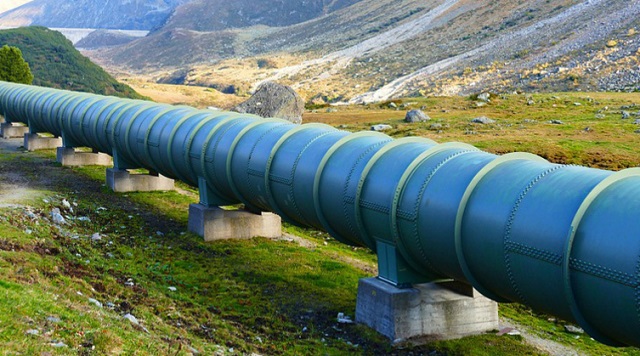
The EACOP is not simply an export route. It is, at 60 degrees Celsius throughout its heated length, a technological marvel designed to transport Uganda's unusually waxy crude across two countries, through 230 rivers and streams, and under the waters of Lake Victoria before reaching the Indian Ocean.
First oil will change Uganda's revenue arithmetic permanently. The question is not whether the money comes — it is whether the institutions exist to govern it wisely. — Finance Minister Matia Kasaija
The Ugandan government holds a 15% stake through the Uganda National Oil Company (UNOC), with TotalEnergies holding 56.67% and CNOOC 28.33%. Uganda expects to receive approximately $2.5 billion annually in taxes, royalties, and profit oil once production reaches its plateau of 230,000 barrels per day.
What Communities Along the Route Say
In Kyapaloni village, Hoima District, 58-year-old Sarah Akello shows us the boundary marker on the edge of what was once her cassava field. She received UGX 4.2 million in compensation for the land acquired — money she says arrived 18 months after construction began on her plot.
EACOP Ltd. has paid over UGX 670 billion in livelihood and land compensation to more than 14,000 project-affected persons in Uganda. Independent monitoring found that as of March 2026, nearly 3,200 households still awaited full disbursement.
The Revenue Question
At plateau production and $75 per barrel, Uganda's direct government revenues from oil are projected at between $1.8 billion and $2.6 billion annually by 2029. This is transformative for a government that currently collects approximately $4.2 billion in total domestic revenues.
When the first barrel of Ugandan crude flows through the pipeline in 2027 — an event President Museveni has called "Uganda's economic independence" — the impact will arrive through balance sheets, tax receipts, exchange rates, and over time, through the schools, roads, and hospitals that a well-governed petro-state can build.